
-
The Hidden Risks Affecting Fleet Performance
At Survitec, we see first-hand how small oversights in safety equipment, compliance, or maintenance can quickly become costly operational issues.

.
|

Key Takeaway Strong fleet risk management goes beyond compliance. Staying ahead of evolving regulations and maintaining reliable safety equipment helps reduce downtime, protect people and keep operations running smoothly. |
In the latest edition of the Compass Newsletter, we focus on practical ways operators can strengthen risk management across their fleets.
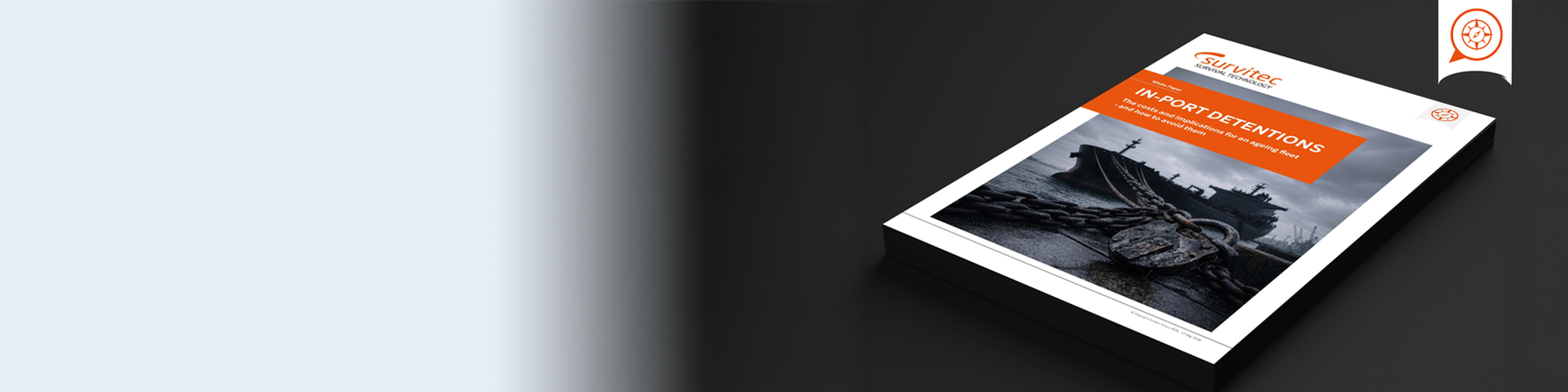
We begin with our latest whitepaper on the growing rise in PSC detentions, exploring how ageing fleets, safety deficiencies, and maintenance challenges are increasing operational and commercial risk.
We also explore three practical ways operators can strengthen risk management across their fleet:
Reducing downtime and compliance risk by moving from equipment ownership to rental and exchange-based Survival Technology solutions.
Improving enclosed space safety by adopting 5-gas monitoring solutions that align with the latest MSC.581(110) requirements, including CO₂ detection and continuous monitoring.
Stay compliant with evolving regulations by understanding the latest SOLAS lifejacket requirements and ensuring equipment and certifications remain up to date.
Effective risk management is about more than meeting regulatory requirements. It's about ensuring the right equipment, support, and safety strategies are in place to protect people, maintain compliance, and keep operations running smoothly.n
-
IN-PORT DETENTIONS: The costs and implications for an ageing fleet - and how to avoid them
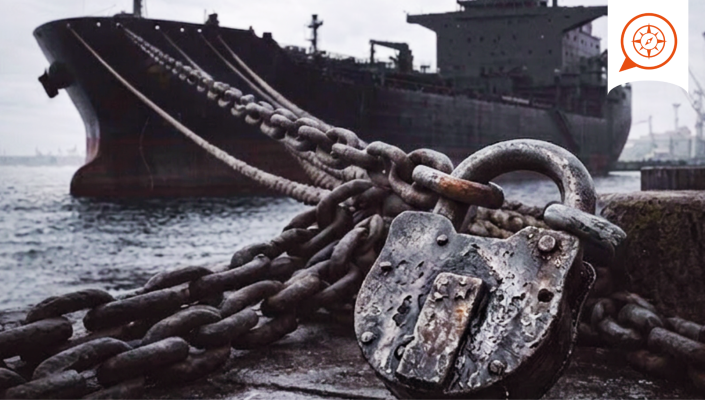
As fleets age and maintenance pressures grow, more vessels are entering inspections with deficiencies in safety systems, maintenance standards, and onboard procedures. The challenge is that many of these issues can have significant operational and commercial consequences when left unaddressed.
In this white paper, we explore the factors driving rising detention rates, the hidden risks affecting safety-critical equipment, and the practical steps operators can take to reduce compliance failures, avoid disruption, and improve fleet readiness.
-
Cut the wait, not the corners: Why renting Survival Technology reduces downtime and increases operational efficiency
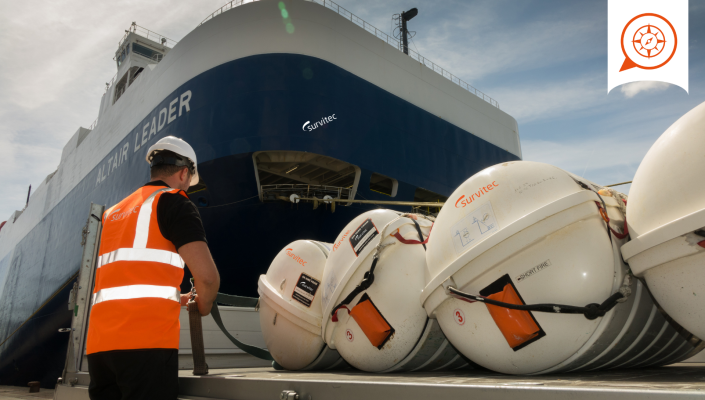
As compliance requirements grow and operational schedules tighten, more maritime operators are rethinking how they manage critical safety equipment. Renting Survival Technology offers a practical way to reduce delays, maintain compliance, and improve operational efficiency without the burden of ownership.
In our latest blog, we explore why rental and exchange-based models are gaining traction across the industry.
-
MSC.581(110) Is More Than a Regulatory Update. It’s a Wake-Up Call for Maritime Safety
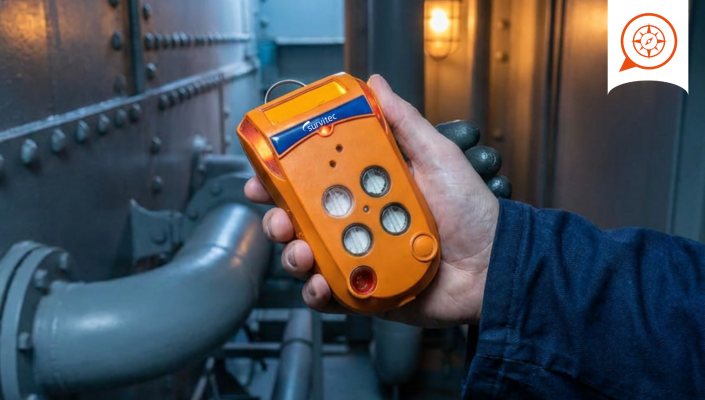
MSC.581(110) is more than a regulatory update; it reflects a growing recognition that existing controls have not gone far enough to prevent fatalities. With new expectations around CO₂ detection and continuous monitoring, operators must now reassess how they approach enclosed space safety.
In this blog, we explore what the changes mean in practice and why they are driving a shift toward wearable 5-gas monitoring solutions.
-
SOLAS Lifejacket regulation is changing: What you need to know
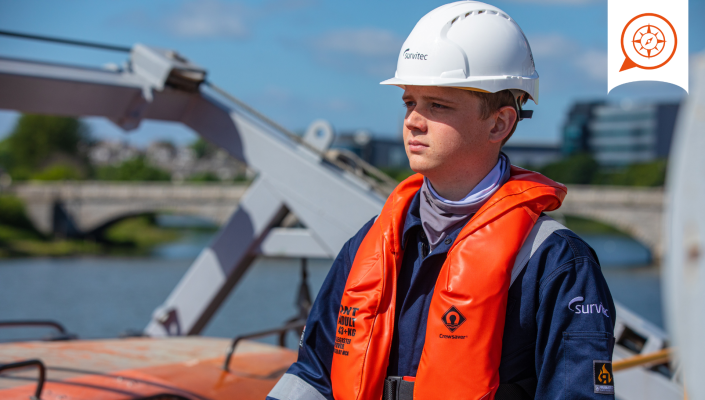
Need a refresher on the SOLAS lifejacket regulation update?
The changes came into effect earlier this year, but many operators are still navigating what they mean in practice. In this blog, we break down the key requirements, compliance considerations, and what the update means for your vessel or fleet.
-
Industry Updates: Staying Ahead in maritime safety
From regulatory changes to industry trends, our updates help keep you informed about the changes in the industry.
At Posidonia, conversations across the industry centred on compliance gaps, emerging risks and the steps needed to strengthen maritime safety. To explore these topics further, we sat down with several of Survitec's leaders to hear their perspectives on risk management, the challenges facing operators today, and the industry's response. Keep an eye on our LinkedIn page for a new mini-series coming soon.
Following a series of container fires, SSE 12 agreed draft SOLAS amendments to strengthen fire detection and response, including portable thermal imagers and updated water mist lance requirements. The measures are expected to enter into force on the 1st of January 2032, with further work on cargo fire detection and control continuing through SSE 13 in 2027. (source)
Demand for new vessels remains strong across APAC, but shipyards are navigating growing challenges around design ownership, supply chain visibility and workforce skills. How they respond will be key to maintaining competitiveness and supporting long-term growth. (source)