
-
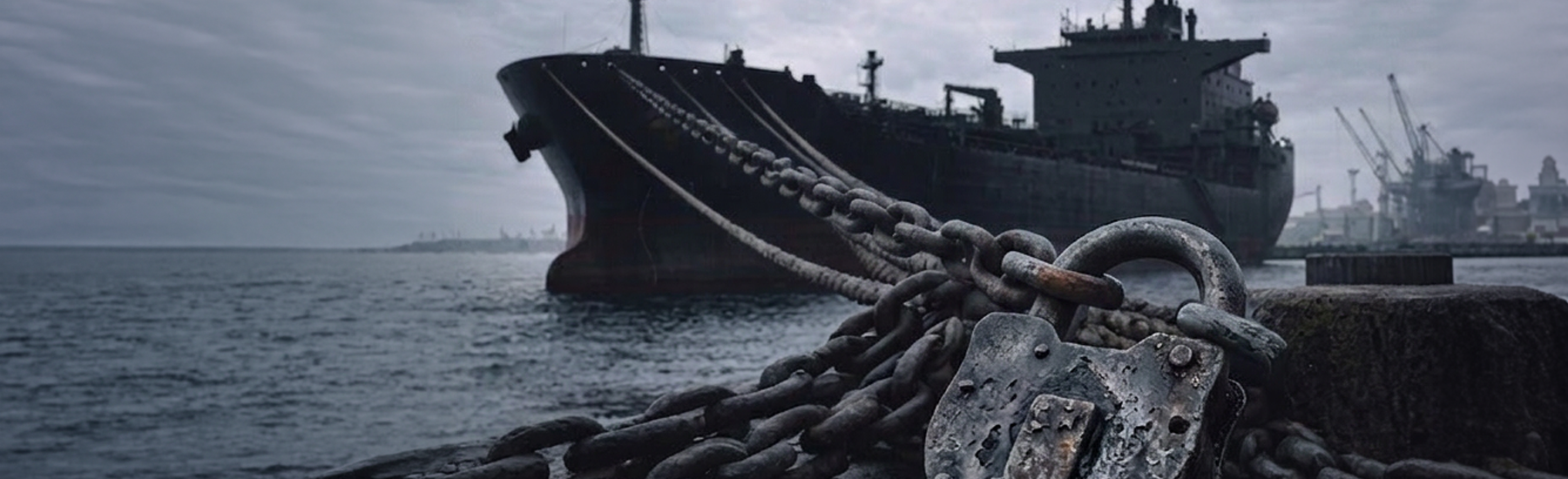
Reduce detentions and downtime
Avoid costly disruption with proactive safety inspections and support

01 - The risk
Small faults can create significant disruption
An overdue service, deteriorating component or incomplete maintenance record can raise questions about a vessel’s emergency readiness. When equipment defects are combined with gaps in procedure, documentation or crew familiarisation, the consequences can extend beyond a repair. A detention can mean lost earning time, additional port costs and urgent remedial work. It can also affect future inspection targeting and commercial confidence. We help you inspect, maintain and document safety-critical Survival Technology, coordinate work around port calls and plan corrective action before avoidable deficiencies affect vessel operations. |
02 - Priorities
The three priorities for keeping vessels safe and operational

Maintain equipment that must work
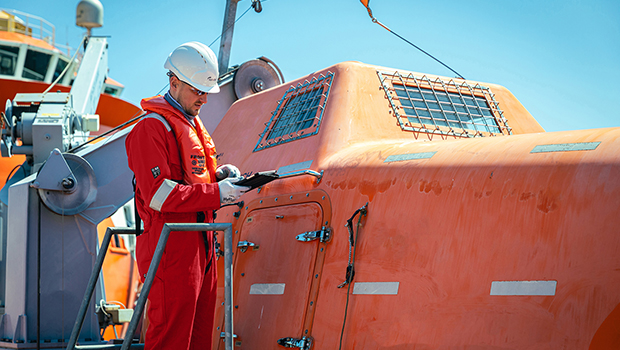
Inspect and maintain fire safety systems, lifeboats and launching arrangements, marine evacuation systems (MES), liferafts, lifejackets and immersion suits. Regular attention helps identify deterioration before equipment performance is compromised.

Plan your service around your port calls
Bring service due dates, vessel schedules and equipment requirements together early. Advance planning allows more time to coordinate technicians, parts and access, helping to fit work within short port stays.
.

Make your completed work traceable
Retain inspection reports, service records and evidence of corrective work, and update asset details after repairs, replacements or exchanges. Clear records help crew and shore teams understand what has been completed, what remains outstanding and who owns the next action.
03 - Condition and age
Give ageing equipment closer attention
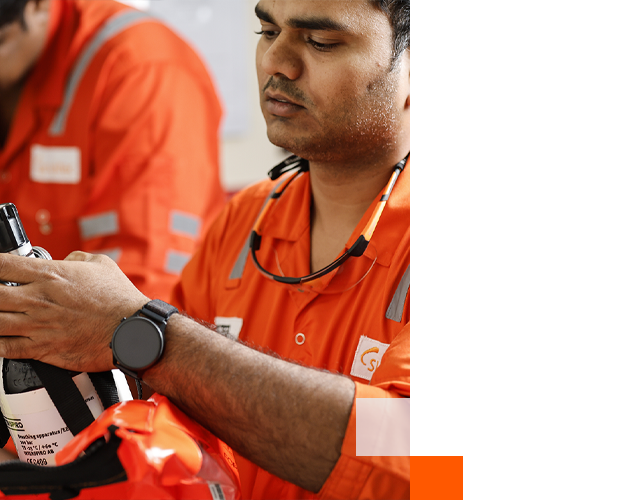
As vessels and safety systems age, corrosion, wear and tear, and component obsolescence need closer monitoring. This is particularly important for internal or hard-to-access components, where deterioration may not be apparent during a surface check.
Inspections should consider equipment age as well as condition, manufacturer instructions and applicable requirements, rather than relying on appearance alone. Where systems or parts are approaching obsolescence, Survitec can help you assess practical servicing, upgrade or replacement options and plan the work around your budget and operating schedule.
04 - Support
How we help
We combine equipment knowledge and service experience to turn your maintenance needs into a practical plan.
| Fire safety and lifeboat inspection and service support Survey-ready inspections, servicing and corrective work for fire safety systems, lifeboats and launching arrangements. |
| |
| MES and liferaft servicing support, with relevant crew training Planned servicing for marine evacuation systems and liferafts, supported by crew familiarisation and training. |
| |
| Wearables servicing support for lifejackets and immersion suits Inspection, servicing and exchange of lifejackets and immersion suits to to keep personal protective equipment compliant and ready for use. |
| |
| Service agreements and partnerships Personalised support with safety management and compliance across your fleet. |
| |
| Equipment rental options Reduce time spent coordinating off-vessel servicing with our equipment rental solution. |
| |





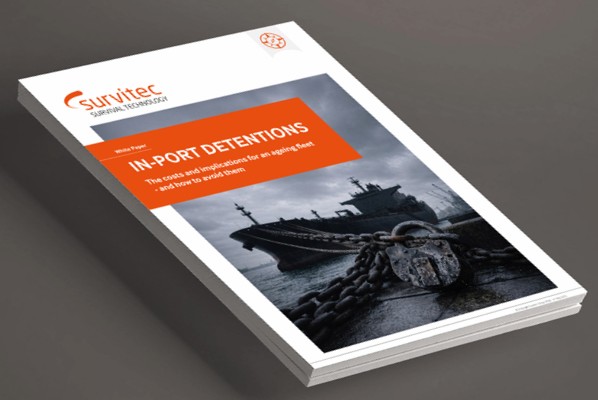
05 - White paper Why vessel detentions are rising While global ship inspections have remained relatively stable at around 75,000 per year, detentions have increased by approximately 70% over the last five years. As vessels remain in service for longer, our white paper examines the factors behind this rise and the steps ship owners and operators can take to reduce detention risk. |
.
Next steps
Keep safety maintenance
on track
.
Tell us about your vessel, equipment and upcoming port calls. We can help you plan the next steps for safety servicing.
| Talk to our team |