
-

Planning for safer,
more resilient fleets
Managing maritime safety means looking beyond what is required today.

|

Key Takeaway Maritime safety is about looking beyond immediate compliance to ensure vessel design, training and safety services support long-term preparedness, efficiency and operational readiness. By planning ahead for evolving regulations and choosing reliable safety solutions and support, operators can reduce risk and strengthen resilience when it matters most. |
Vessel design decisions, evolving regulations, and the capabilities behind safety services can all shape how well operators are prepared for what comes next. In this edition of the Compass Newsletter, we explore how looking beyond immediate requirements can help operators manage risk, strengthen preparedness and maintain operational readiness. We look at how operators can:
Effective risk management is about understanding what sits behind compliance and having the right planning, capability and support in place before it is needed. Brim Explorer puts passenger experience at the heart of Survival Technology selection.
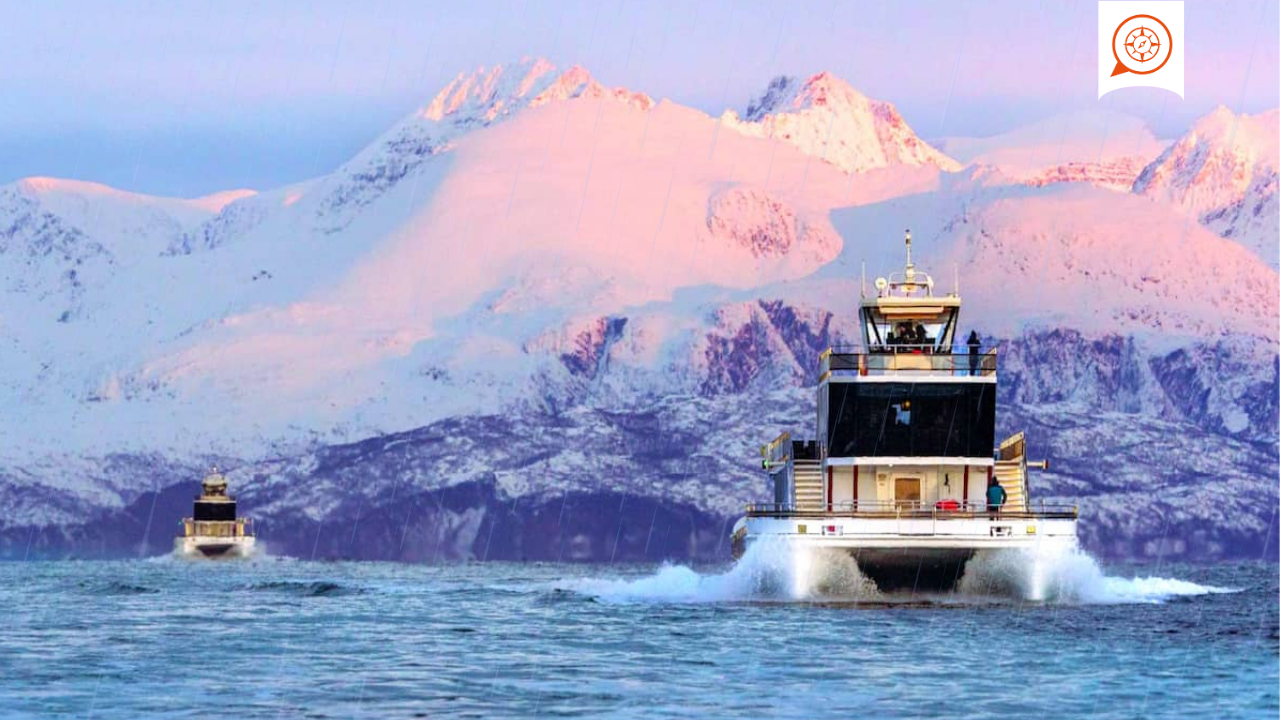
Brim Explorer puts passenger experience at the heart of Survival Technology selection
For operators designing the next generation of electric and hybrid passenger vessels, every decision around weight, space and onboard equipment matters. Norwegian sightseeing operator Brim Explorer worked with Survitec to identify a Marine Evacuation System that could meet essential safety requirements while supporting wider vessel design and operational objectives. By selecting a lightweight, compact MES and working with Survitec's engineering specialists on its installation, Brim Explorer has been able to make better use of valuable passenger space. An equipment exchange programme has also reduced MES servicing from several days to a matter of hours. The case study demonstrates how considering Survival Technology early in vessel design can support safety alongside passenger experience, vessel efficiency and long-term operational performance. .
Risk management and the value of reliability
When comparing safety suppliers, price is one of the most visible measures, but it does not always tell the full story of what an operator is buying. Routine maintenance, technical expertise, and the ability to respond quickly when an unexpected problem occurs all contribute to the value behind a quotation. That capability can become particularly important when a vessel is unable to operate, and every additional delay has an operational and financial impact. In our latest blog, Jan-Oskar Lid, Technical & Sales Support Manager, explores why effective risk management means looking beyond headline cost and considering the service, expertise and response capability available when it matters most. .
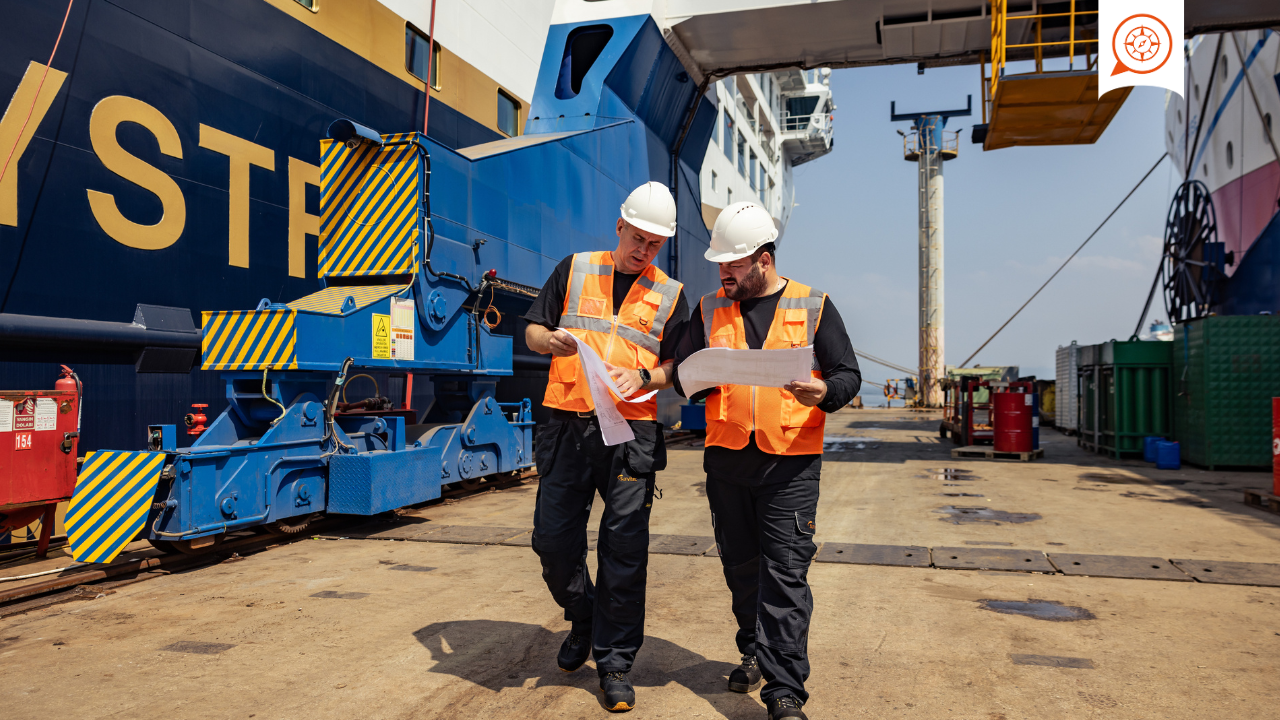
New US Coast Guard requirements for certain US-flagged passenger vessels operating on international voyages come into force on the 26th of October 2026, introducing enhanced emergency familiarisation and crowd-management training requirements. The changes place greater focus on how shipboard personnel prepare for emergency situations, including familiarity with lifesaving equipment and procedures, passenger communication, crowd management and evidence of completed training. Our latest blog looks at what is changing, which passenger vessel operators may be affected and why effective emergency preparedness remains an important part of keeping passengers and crews safe. .
Industry Updates: Staying Ahead in maritime safety From regulatory changes to industry trends, our updates help keep you informed about changes in the industry.
|
Keep your safety on course
Join the safety, technical and fleet managers who read Compass. Four issues a year, written for people who have to act on the detail.
Practical, regulation-aware guidance
Written by Survitec safety specialists
Unsubscribe in one click, any time